
By Fraiser Opel
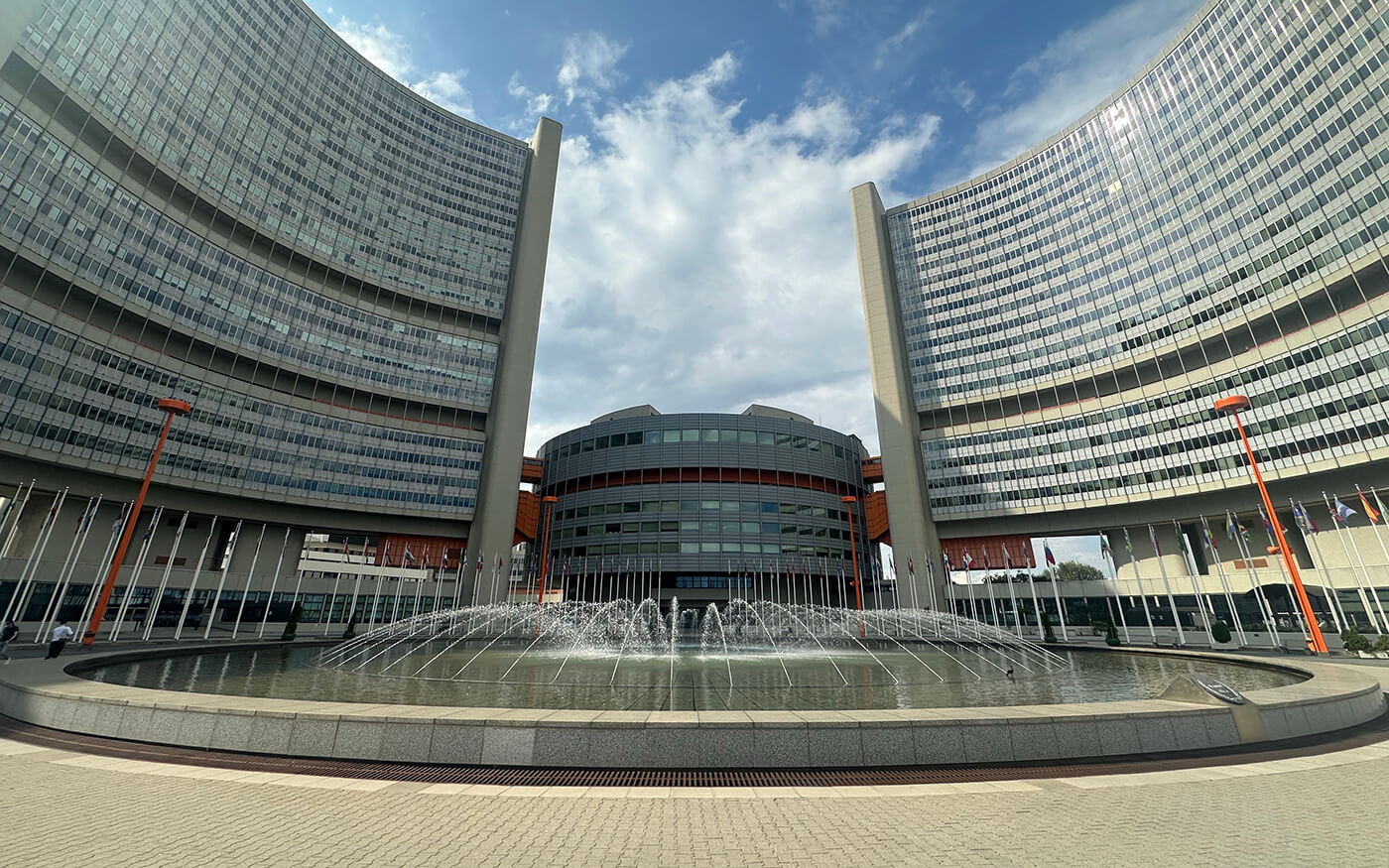
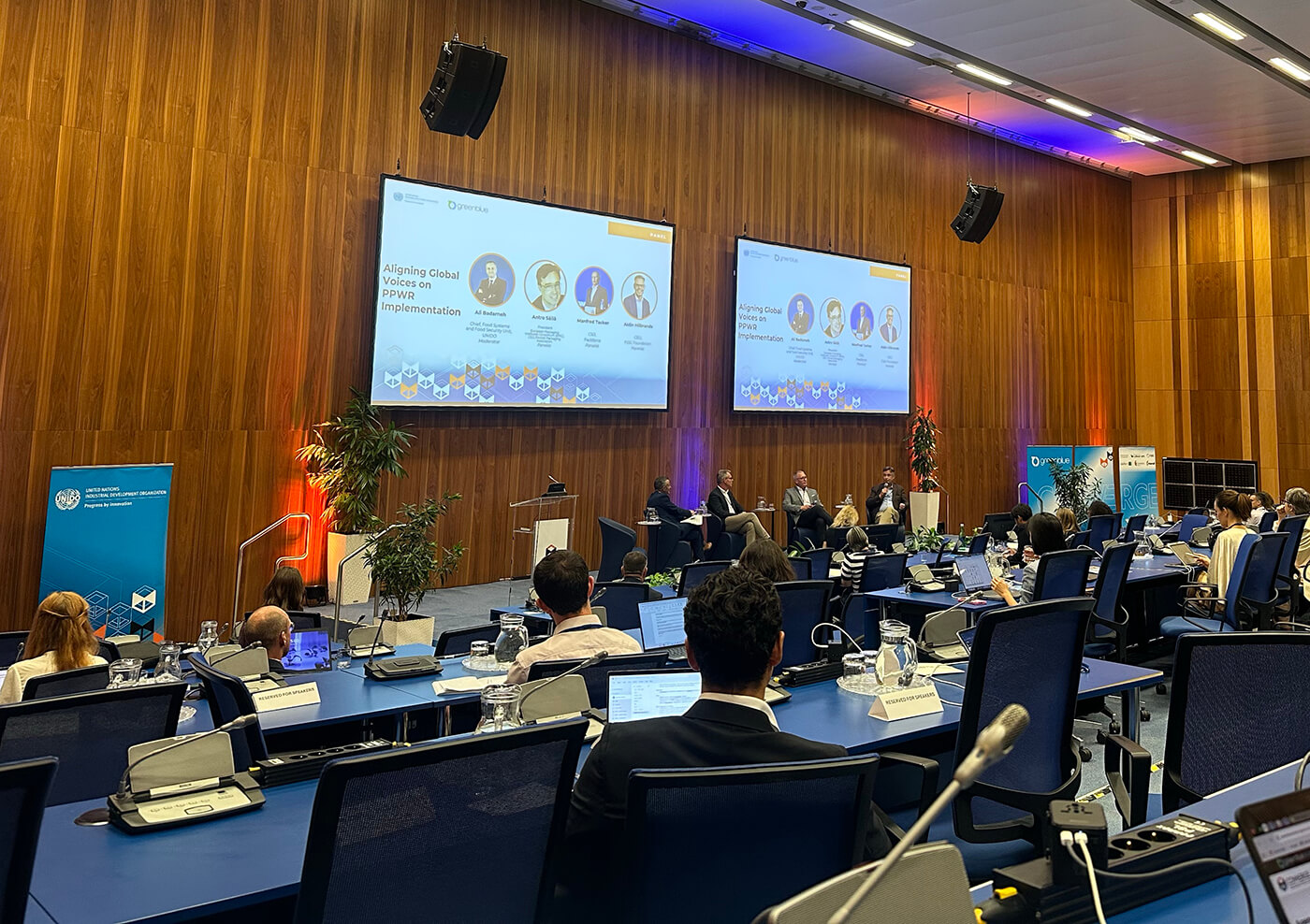
Last week, I had the opportunity to attend the Sustainable Packaging Coalition’s Converge conference in Vienna, Austria on behalf of 3R Sustainability. Hosted by GreenBlue at the United Nations Campus, the event brought together industry leaders, innovators, and NGOs from around the world to discuss the future of sustainable packaging.
Rather than leaving with one big answer, I left with a number of themes that reinforced how interconnected the packaging challenge really is. Here are my biggest takeaways.
Packaging sustainability is complex
Regulations are disconnected. The dots between packaging and carbon regulations are not connected – recyclability, not carbon, has been the driving force behind packaging regulations, creating a competing dynamic with carbon reduction goals, as paper is often more carbon intensive than plastics. Data from studies like a Life Cycle Assessment should be a driving force behind alternative packaging material choices so the full end to end impact is considered, and paper solutions should be paired with a decarbonization strategy.
Flexible packaging has an image problem. Flexible packaging (think plastic bags, gum wrappers) typically has a bad rap with consumers because it’s hard to recycle. However, we forget that flexible packaging can actually be considered a sustainable solution as it shrinks with the product inside and often has a lower carbon footprint than alternatives like paper or rigid plastics. If a core principle in packaging design is to do more with less, flexible packaging does this! It just needs the infrastructure to support effective recycling.
Our recycling infrastructure needs to evolve. What does ‘recyclable’ mean? In the end, anything can be recyclable if we put in the effort to figure out how to do it. To date, our recycling infrastructure has been based on a weight-based system to collect and efficiently sort & recycle heavy materials like cardboard and glass. Plastics don’t do well in that system because they are too light and can get blown around when air is used to sort. EPR regulations will help to fund evolutions in sorting and recycling technologies to allow flexible packaging to be efficiently recycled too – especially if fees are based on a unit vs. weight-based measure.
Product and Packaging Sustainability
3R Sustainability brings deep expertise across the full packaging lifecycle, supporting companies with:
- Navigating EPR compliance and other packaging regulatory requirements
- Conducting packaging portfolio audits and impact assessments (LCAs/PCFs)
- Developing circularity strategies, including material innovation and sustainable packaging pilots
- Optimizing supply chains for waste reduction and resiliency
Packaging innovations are accelerating
Paper innovations are ramping up to solve our plastic crisis, meet recyclability standards under new regulations and win the hearts of consumers. There are innovations that are solving for every problem we can think of! What we forget, though, is the negative impact that paperization can have such as new pressures on forestry feed stocks. We should consider abundant alternative feedstocks such as seaweed or biowaste as plastic alternatives as well. Seaweed can grow as tall as a 747 airplane in 9-12 months! Shout out to the incredible work in this space by #notpla.
Collaboration is key to understanding and implementing policy
Initial compliance deadlines for PPWR are less than one month away on August 12th, full packaging recyclability by 2030 is just over 1,200 days away. However, there is a big gap in implementation guidance and an understanding of what is required to actually comply. Industry groups are essential to help each other interpret and disseminate knowledge, advice, and learnings to all stakeholders involved.
Systems thinking matters
While harmonized EPR regulations are helpful, not all countries or continents operate the same, so systems must be thought of with local context instead of a copy/paste. Waste infrastructure can look different everywhere. For example, in countries of the Global South, informal waste pickers are a critical part of collection efforts and need to be recognized for this, treated and paid fairly for their work. It’s also critical we think with the end in mind to truly enable packaging circularity. Instead of thinking what we should do with the waste, we should think, what do end markets need? Work backward from there to prioritize and develop recycling infrastructure to get those materials back into the market.
Sustainability is ultimately about people
Plastic is a health problem. Over 77% of EU citizens have plastic in their blood, and we are just beginning to learn about the health consequences. Plastic is no longer just a waste problem, we’re beginning to realize its impact on our actual lives.
Simple solutions are everything. A reminder I loved: Packaging doesn’t litter itself, consumers make this choice. Sonja Ventosa, Group Sustainability, Public Affairs & Communications Director at Equatorial Coca-Cola Bottling Company, shared recycling bins have to be within 30 steps at any point for us to consistently use them. Solutions have to at least be easy, and at best, should be engaging and rewarding. That’s when the ripple effect can really happen.
My biggest takeaway
There isn’t a single material that will solve the packaging challenge. The future belongs to organizations willing to think in systems, balancing carbon, circularity, consumer behavior, infrastructure, regulation, and economics rather than optimizing for just one metric.
Connect with 3R
At 3R Sustainability, we see sustainable products and packaging not only as a critical opportunity but a necessity in driving environmental and business value.
We support our clients in a continuous journey to keep advancing the sustainability of your products and packaging, empowering you to achieve waste, decarbonization, and circularity goals through integrated solutions that optimize compliance, product design, and resource efficiency. Our holistic solutions help you navigate regulations, set practical targets, assess impacts, and innovate for circularity, decarbonization, and efficiency. Learn more about our product and packaging services here.